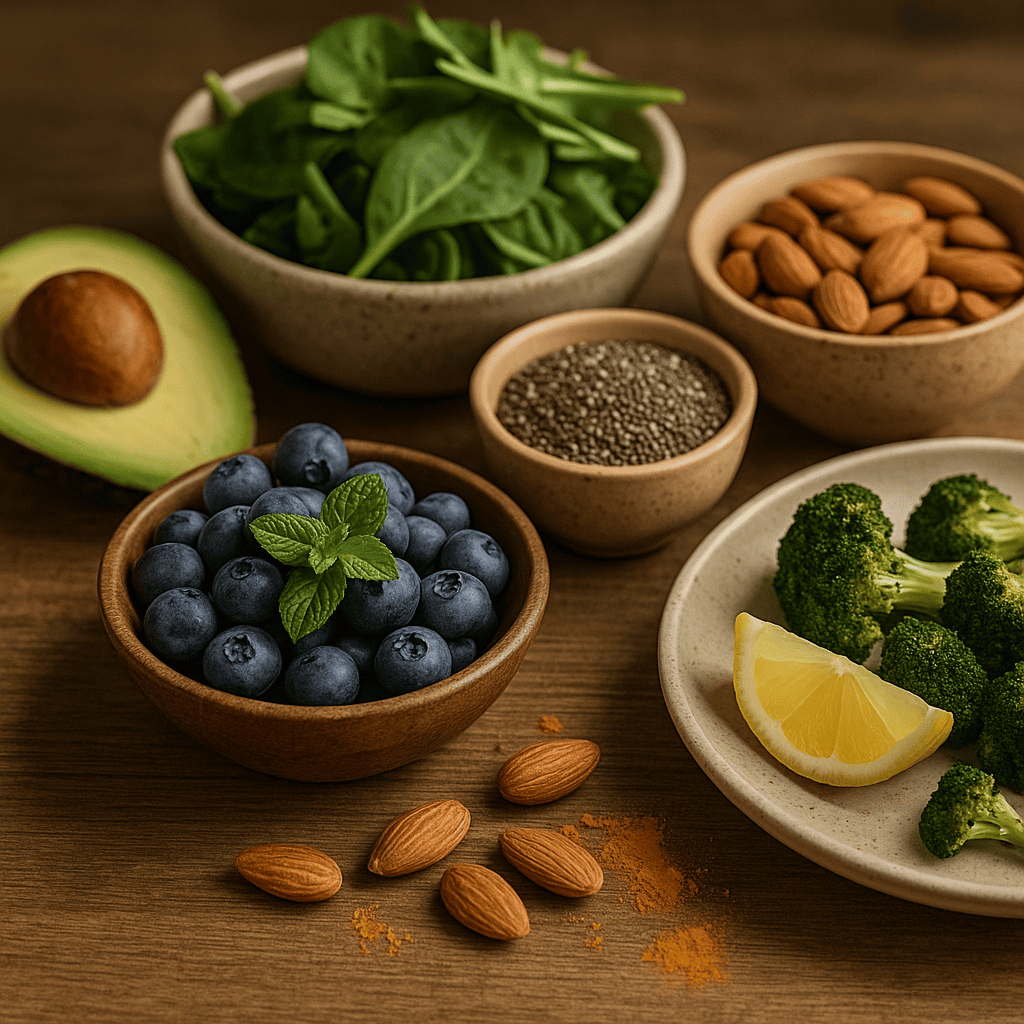
Healthy eating has become surrounded by myths. We are told that to eat well, we need exotic ingredients, endless time in the kitchen, or an advanced understanding of nutrition. The result? Many people feel overwhelmed before they even start. The truth is that nourishing meals can be simple, affordable, and quick to prepare — and often, the most powerful recipes are the ones with the fewest ingredients.
Food is not only fuel; it is also a signal to your body about how to function. A nutrient-packed breakfast can set the tone for energy and focus, a balanced lunch can prevent the dreaded afternoon slump, and a restorative dinner can help your body repair while you sleep. In this article, you’ll find three recipes — one for each part of your day — that show how easy it can be to bring balance and flavor to your routine.
Breakfast: Avocado Quinoa Bowl
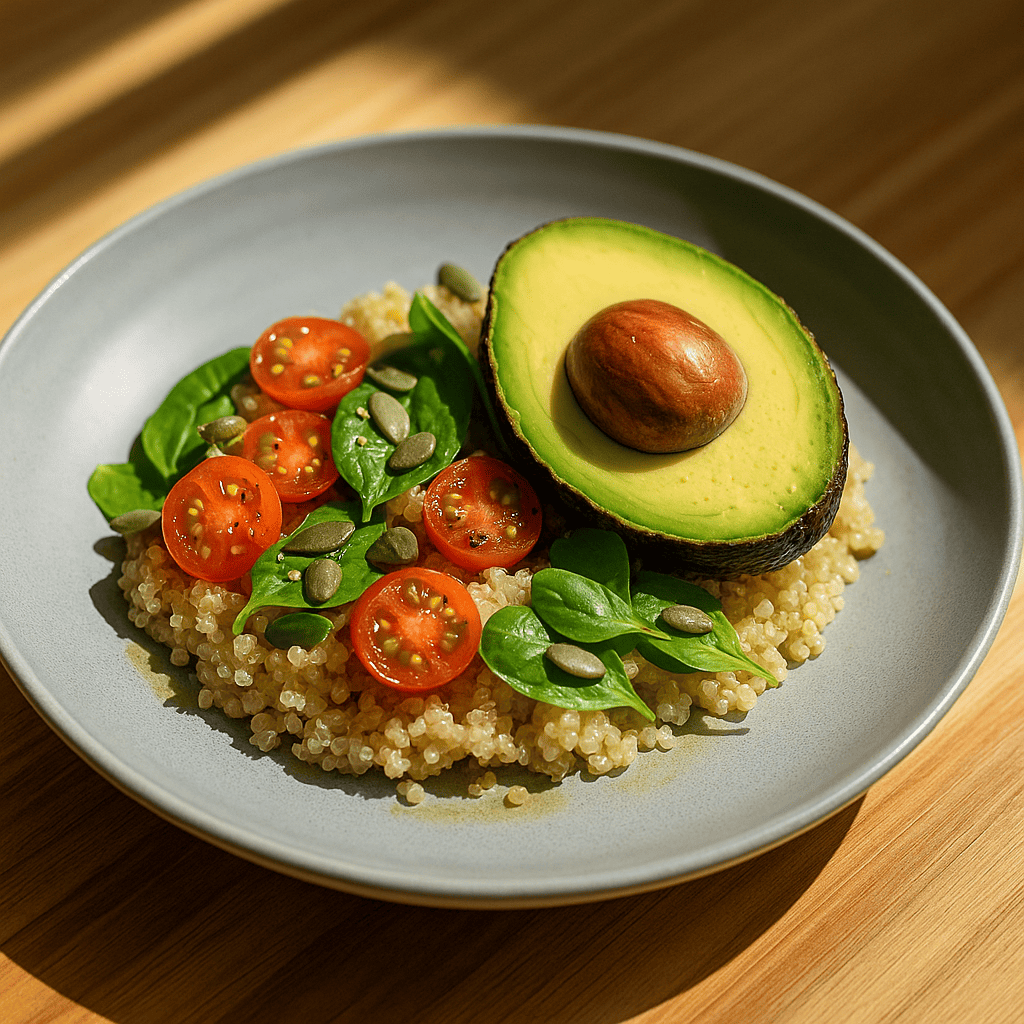
The morning meal should wake you up gently while laying a foundation for sustained energy. This avocado quinoa bowl is designed to do just that. Quinoa provides plant-based protein and fiber, keeping you full for longer. Avocado adds creamy texture and healthy fats that stabilize blood sugar. Cherry tomatoes bring a burst of antioxidants and brightness, while pumpkin seeds add crunch and magnesium, which supports both energy production and nervous system health.
To make this bowl, combine one cup of cooked quinoa with half a sliced avocado, a handful of cherry tomatoes, a few baby spinach leaves, and a tablespoon of pumpkin seeds. Drizzle with olive oil and lemon juice, and season with salt and pepper. In less than ten minutes, you have a breakfast that feels indulgent but works with your body instead of against it.
Lunch: Turmeric Chickpea Salad
Lunch often determines how the second half of your day unfolds. Heavy, processed meals can leave you sluggish, while balanced plant-based options can refresh you. This turmeric chickpea salad is the perfect example of how food can be both light and deeply nourishing. Chickpeas provide protein and fiber, cucumber and parsley bring hydration and freshness, and turmeric delivers its renowned anti-inflammatory properties. When paired with black pepper and olive oil, turmeric’s active compound, curcumin, becomes even more bioavailable, giving your body a real advantage.
To prepare, mix one can of rinsed chickpeas with half a cucumber (diced), a quarter of a red onion (finely chopped), and a handful of fresh parsley. For the dressing, whisk together two tablespoons of olive oil, the juice of one lemon, half a teaspoon of turmeric, and a pinch of black pepper. Toss everything together, and you have a vibrant, satisfying lunch that fuels your afternoon without weighing you down.
Dinner: Sheet-Pan Lemon Salmon with Vegetables
By the evening, your body needs both nourishment and ease. The day has already asked much of you, and dinner should give something back. This sheet-pan recipe brings together salmon — rich in omega-3 fatty acids for brain and heart health — with colorful vegetables like broccoli, zucchini, and carrots, which provide fiber, antioxidants, and a sense of grounding. The best part? It’s prepared in a single pan, with minimal cleanup.
Preheat your oven to 200°C (400°F). On a baking tray, place two salmon fillets and surround them with chopped vegetables of your choice. Drizzle everything with olive oil, season with garlic, salt, and pepper, and top the salmon with a few slices of lemon. Bake for 20–25 minutes, until the fish flakes easily and the vegetables are slightly caramelized. What you get is not just a meal, but a nourishing ritual to close your day with intention.
Why Simplicity Works
What makes these recipes powerful is not just their ingredients but their simplicity. When meals are easy to prepare, you are more likely to cook them consistently. Consistency is what shapes health in the long run. These recipes use whole, familiar ingredients that are available in most grocery stores. There are no complicated steps, no unusual tools — just straightforward food that supports your energy and wellbeing.
Beyond the Plate
Eating well is not just about the nutrients you consume; it is also about the relationship you build with food. Cooking a simple meal can be grounding, almost meditative. The act of washing vegetables, slicing herbs, or plating a colorful dish becomes an opportunity to slow down, to reconnect with the rhythms of your day. Food, when approached with care, nourishes not only the body but also the mind.
Final Thoughts
Healthy eating is not about restriction or perfection. It’s about creating rituals that feel good and can be sustained for a lifetime. These three recipes are starting points, reminders that you don’t need elaborate plans or overwhelming steps to feel well. Each time you prepare a simple, nourishing meal, you are sending your body a message: I care, I choose balance, I choose energy.
Wellness does not come from extremes. It comes from small, steady choices — and food is one of the most powerful choices you make every single day. Let these recipes remind you that simplicity is not a compromise, but a form of wisdom.
![[background image] image of cooking class setting (for a grocery store)](https://cdn.prod.website-files.com/68dae7f6fa2c8f059200a117/68dae7f6fa2c8f059200a121_878d7906-76f7-4e80-99c3-896e896c35a2.avif)