
In a world that glorifies busyness, rest is often seen as a luxury or, worse, as a sign of weakness. We measure our worth by productivity, deadlines, and constant achievement, forgetting that the human body and mind were never designed to run nonstop. We are not machines. True wellness is not only about what you eat or how much you move. It is also about how well you allow yourself to pause, reset, and repair.
Rest is not just sleep. It is the conscious choice to give your body and mind moments of stillness and renewal throughout the day. These pauses are not wasted time — they are essential cycles that allow you to return with energy, focus, and clarity. Without them, even the healthiest diet or the most consistent exercise routine cannot deliver their full benefits. Think of rest as the bridge between effort and growth: without it, the work you do has nowhere to land.
Sleep is where the most powerful repair work happens. During deep sleep, your body restores tissues, balances hormones, and consolidates memory. Research shows that adults who sleep less than seven hours per night are more likely to struggle with focus, mood regulation, and even immune function. Over time, lack of quality sleep increases the risk of chronic illness, weight gain, and burnout.
A consistent sleep schedule — going to bed and waking up at the same times every day — strengthens your natural circadian rhythm. Creating a sleep-friendly environment helps too: dimming lights in the evening, keeping your bedroom cool, and removing digital distractions all signal to your body that it is safe to rest. Many people also find rituals like herbal tea, gentle stretching, or journaling help ease the transition from a busy mind to a restful state.
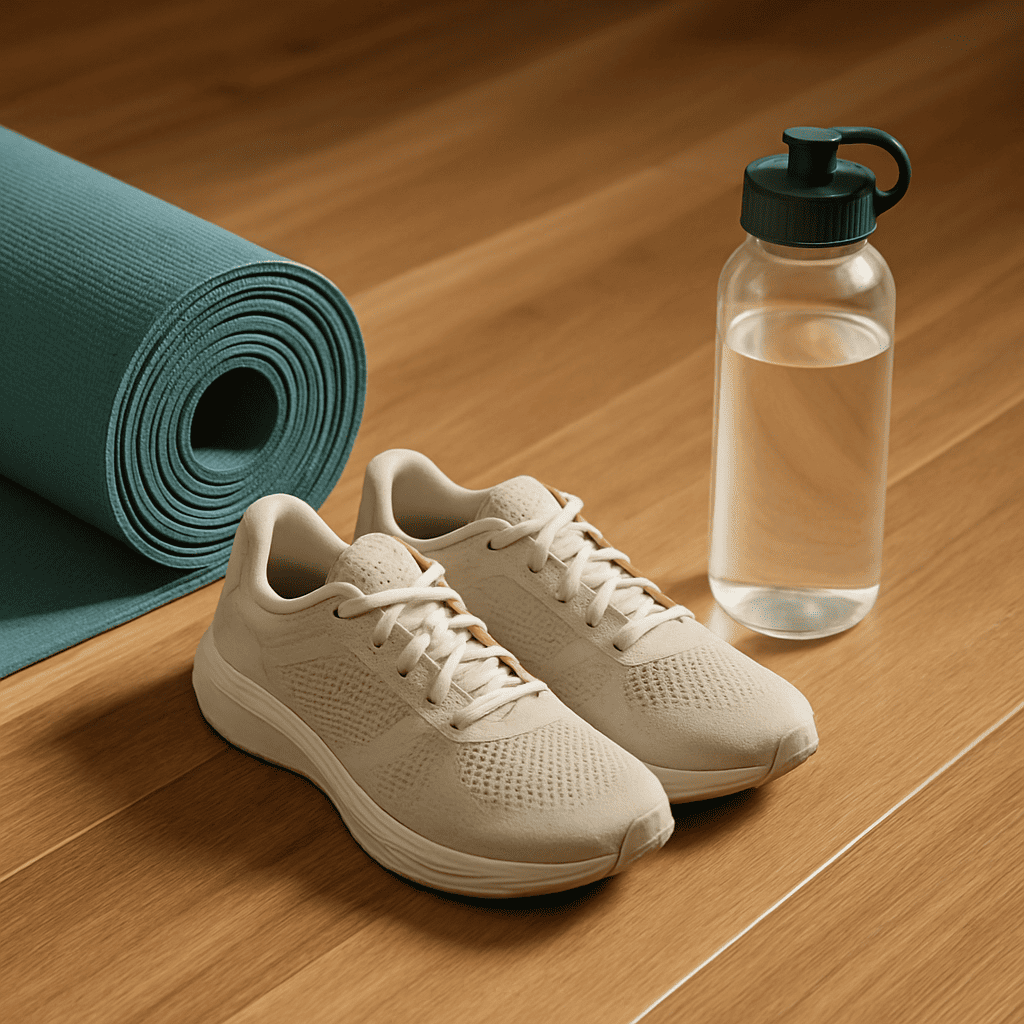
Not all rest is stillness. Gentle activities such as stretching, walking in nature, or practicing yoga are forms of active rest. These practices reduce stress, improve circulation, and give your nervous system a chance to reset without requiring total inactivity. They also serve as a reminder that rest is not about doing nothing — it is about doing what restores balance.
Imagine the difference between scrolling on your phone for half an hour and taking that same time to stroll through a nearby park. Both are breaks, but only one actually feeds your body and mind with renewed energy. When you choose active rest, you are teaching your nervous system how to release tension rather than accumulate more of it.
We often push our minds to process information without pause — emails, messages, decisions, constant scrolling. This endless input creates mental clutter and leaves little room for clarity. Taking short breaks throughout the day is not laziness but mental hygiene.
Something as simple as closing your eyes for a few minutes, gazing out of a window, or stepping away from your desk can reset your focus. Deep breathing techniques like box breathing or simply inhaling and exhaling slowly bring oxygen to the brain and calm the mind. Just as your body needs recovery between workouts, your brain needs recovery between stretches of concentration. Without these breaks, decision fatigue and stress begin to pile up, making even small tasks feel overwhelming.
Rest also has an emotional dimension. It’s the relief of not having to perform, prove, or carry the weight of constant responsibility. In our fast-paced culture, we often suppress emotions or keep them hidden behind a busy schedule. Emotional rest is about giving yourself permission to feel and to simply be.
This might mean spending time with someone you trust, journaling your thoughts, or allowing yourself to say no when you are already stretched thin. It could mean setting boundaries around work or social obligations so you have time to recharge. These moments strengthen resilience and help you return to challenges with greater stability. By practicing emotional rest, you create an inner home where you can return to yourself without judgment.
Another form of rest often forgotten is social rest. While connection is vital, constant interaction — online and offline — can drain energy. Social rest doesn’t mean isolating yourself but choosing interactions that are truly nourishing. This might look like fewer obligatory meetings, saying no to draining events, and instead spending time with people who make you feel supported and authentic. True rest includes the courage to step away from noise and return to relationships that feel safe and energizing.
Rest is not the absence of productivity. It is the fertile ground from which energy, creativity, and health can grow. When you give yourself permission to rest — through sleep, gentle movement, mental pauses, emotional release, and social boundaries — you invest in a life that is not only healthier but also more joyful and sustainable.
Wellness is not about pushing harder. It is about learning the art of balance. Rest is the quiet, powerful teacher that reminds us we are human — and that in stillness, our strength begins to grow again.
![[background image] image of cooking class setting (for a grocery store)](https://cdn.prod.website-files.com/68dae7f6fa2c8f059200a117/68dae7f6fa2c8f059200a121_878d7906-76f7-4e80-99c3-896e896c35a2.avif)