
In a fast-paced world, eating has become something we squeeze between tasks — a sandwich at the desk, a snack on the commute, or dinner in front of a glowing screen. Food, once a ritual of connection and care, is often reduced to fuel. The result is that we eat quickly, mindlessly, and often more than we need. Our bodies may be full, but we remain unsatisfied.
Mindful eating is the antidote. It is the practice of slowing down, of bringing awareness back to what nourishes us. At its heart, mindful eating is not a diet but a relationship — a way of being present with food that honors both the body and the mind.
Mindful eating means paying attention to food with all your senses: noticing colors, textures, aromas, and flavors. It is about savoring each bite, listening to your body’s hunger and fullness cues, and appreciating the journey food takes to reach your plate.
Unlike restrictive diets, mindful eating doesn’t tell you what to eat. Instead, it teaches you how to eat. By practicing awareness, you begin to recognize not only what foods make you feel good but also the emotions and habits that influence your choices.
Eating too quickly or without awareness puts stress on the digestive system. When meals are rushed, food is less chewed, digestion is impaired, and the body struggles to absorb nutrients fully. Mindless eating can also lead to overeating, as the brain doesn’t have time to register fullness.
Mindful eating restores balance. By slowing down, you allow digestion to work smoothly, blood sugar to stabilize, and satisfaction to arise naturally. Beyond the physical, it also calms the mind, turning meals into pauses of presence in otherwise busy days.
You don’t need to overhaul your entire routine to eat mindfully. Small shifts make a big difference:
Begin with Gratitude
Before eating, pause for a moment of appreciation. This could be gratitude for the farmers who grew the food, the person who cooked it, or simply for the nourishment itself.
Engage Your Senses
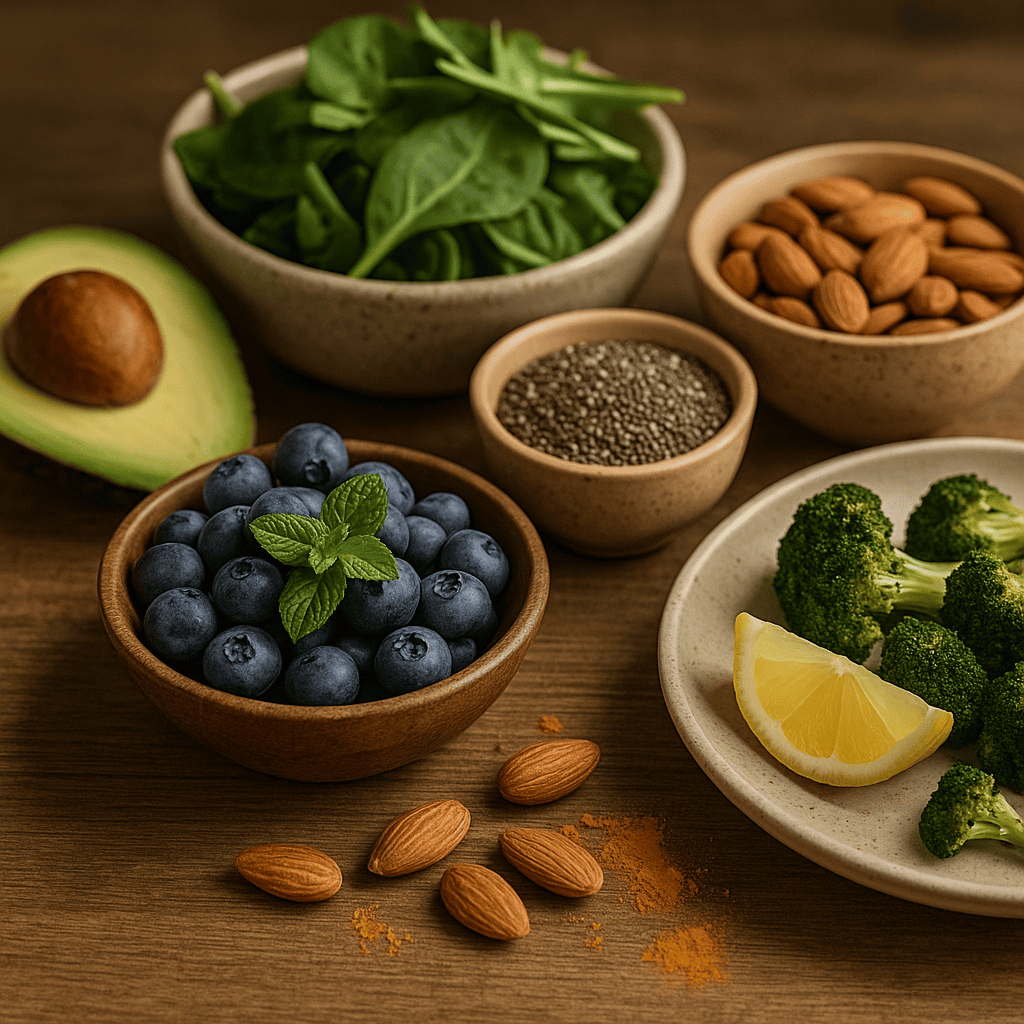
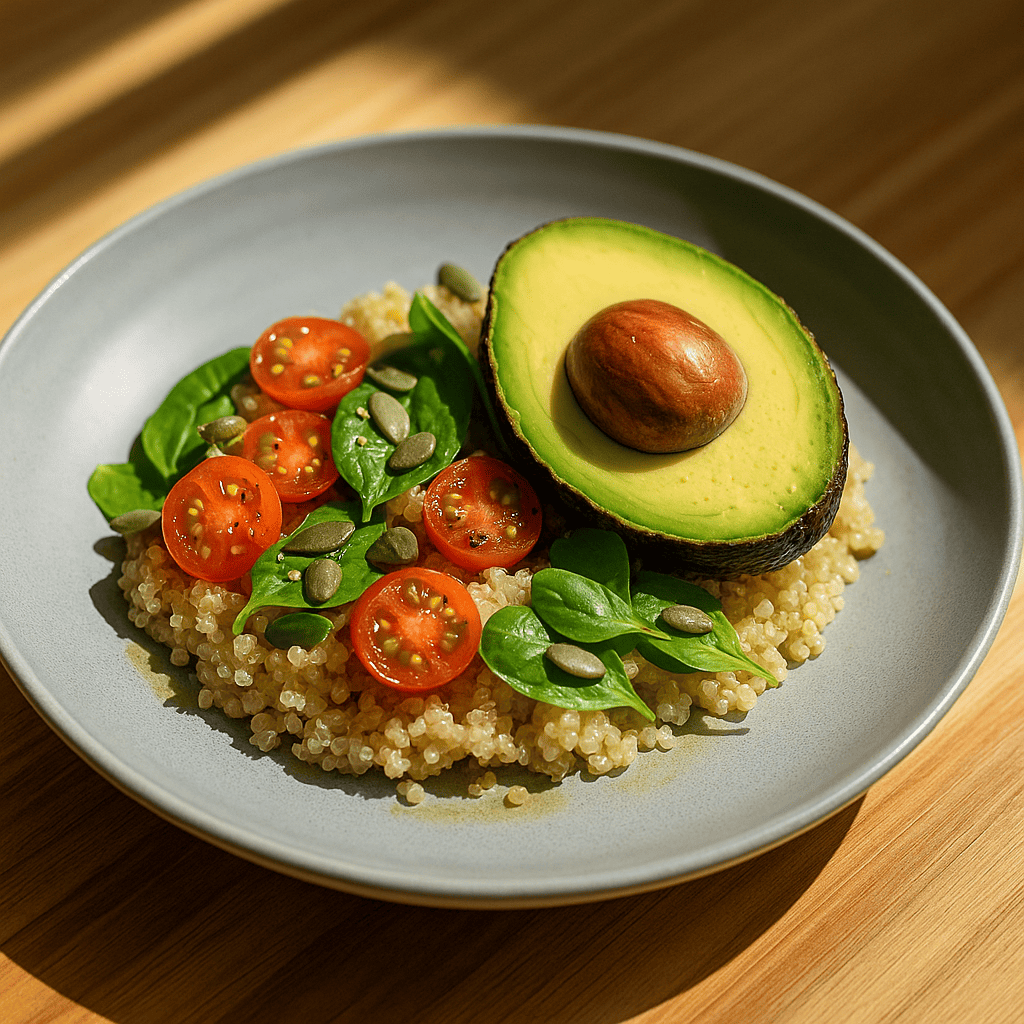
Notice the colors on your plate, the aroma rising from the dish, the textures as you chew. Eating becomes richer when all senses are involved.
Slow Your Pace
Put your fork down between bites. Chew slowly and notice the flavors unfolding. Eating at half your usual speed already transforms the experience.
Listen to Hunger and Fullness
Ask yourself: Am I still hungry, or am I eating out of habit, stress, or boredom? Learn to respect the body’s signals rather than external rules.
Eat Without Distractions
Whenever possible, step away from screens. Even a short, focused meal without your phone or computer will feel more grounding and nourishing.
The benefits of mindful eating go beyond better digestion. When you slow down, food becomes more than calories. It becomes connection: to yourself, to culture, to family traditions, to the earth. You begin to notice patterns — perhaps how certain foods comfort you, or how stress influences your cravings. These insights are not meant for judgment, but for compassion and curiosity.
Mindful eating can also become a form of meditation. Each meal becomes an anchor to the present moment, a reminder that nourishment is not just physical but emotional and spiritual. In a world of constant rush, mindful eating is a way of saying: I choose to be here now.
Mindful eating is not about rules or perfection. It is about awareness, presence, and respect — for your body, for your food, and for the act of eating itself. By slowing down, you discover that meals can be moments of peace and grounding, even in the busiest day.
When you practice mindful eating, you stop treating food as background noise and start honoring it as a source of energy, joy, and connection. Slow down, savor, and let every bite remind you of the simple truth: nourishment is a practice, not a race.
![[background image] image of cooking class setting (for a grocery store)](https://cdn.prod.website-files.com/68dae7f6fa2c8f059200a117/68dae7f6fa2c8f059200a121_878d7906-76f7-4e80-99c3-896e896c35a2.avif)