When we think about digestion, we usually imagine a process that starts with food and ends with energy. But science has revealed something far more complex: the gut is not only a digestive organ but a communication hub, often referred to as the “second brain.” Containing millions of neurons and trillions of bacteria, your gut speaks directly to your nervous system and shapes how you feel physically and emotionally.
At the center of this relationship is the gut-brain axis — a two-way communication network linking your digestive system and your brain. Signals travel through the vagus nerve, hormones, and immune pathways. This is why anxiety can lead to an upset stomach, and poor diet can contribute to brain fog or low mood.
The gut microbiome — the community of bacteria living inside your intestines — plays a central role here. A balanced microbiome produces neurotransmitters like serotonin and dopamine, often associated with mood and motivation. In fact, around 90% of the body’s serotonin is produced in the gut. When your microbiome is diverse and healthy, you feel more resilient, energetic, and focused. When it’s imbalanced, symptoms like bloating, fatigue, irritability, or even depression may follow.
Gut health issues are not always dramatic; sometimes they whisper before they shout. Common warning signs include:
Listening to these signals can be the first step toward restoring balance.
A thriving gut microbiome needs diversity. The more varied your diet, the more diverse your gut bacteria — and the more resilient your health. Here are simple ways to support gut health every day:
Fiber-Rich Foods
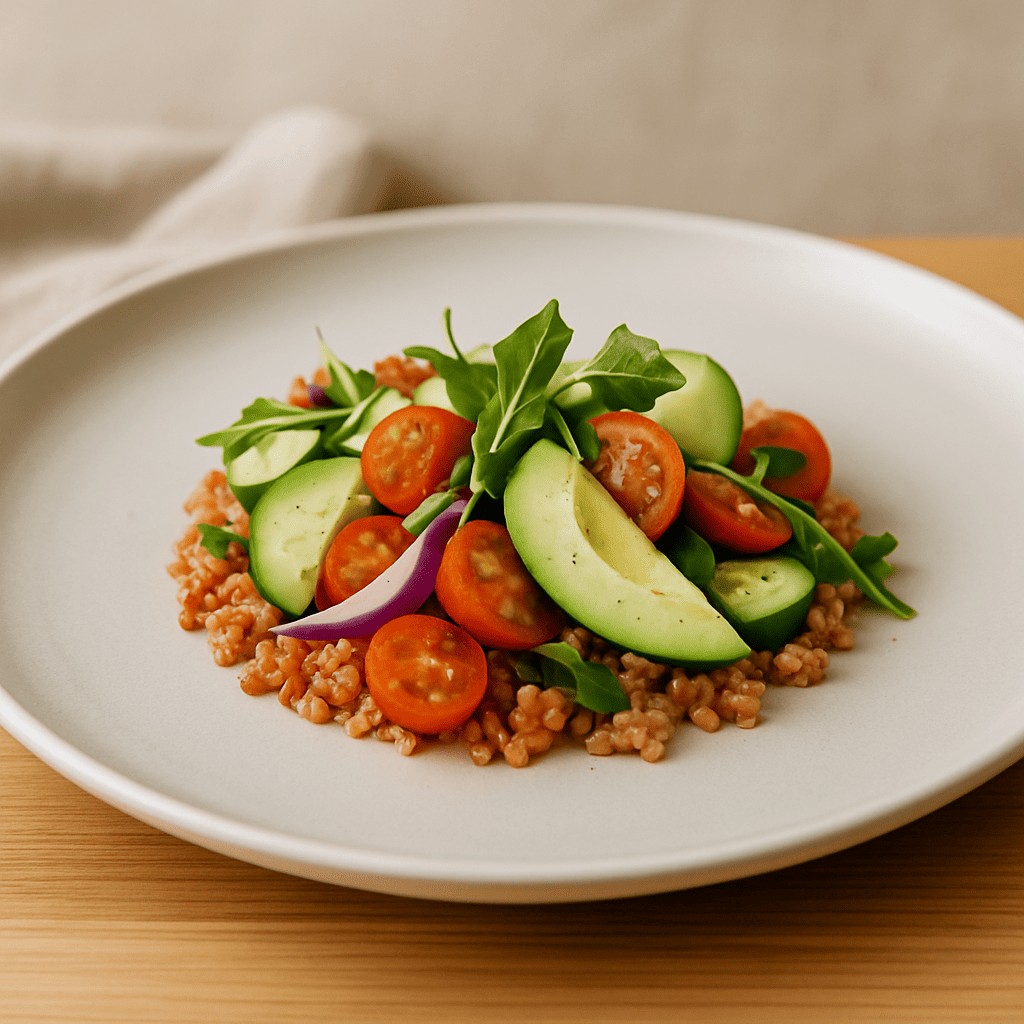
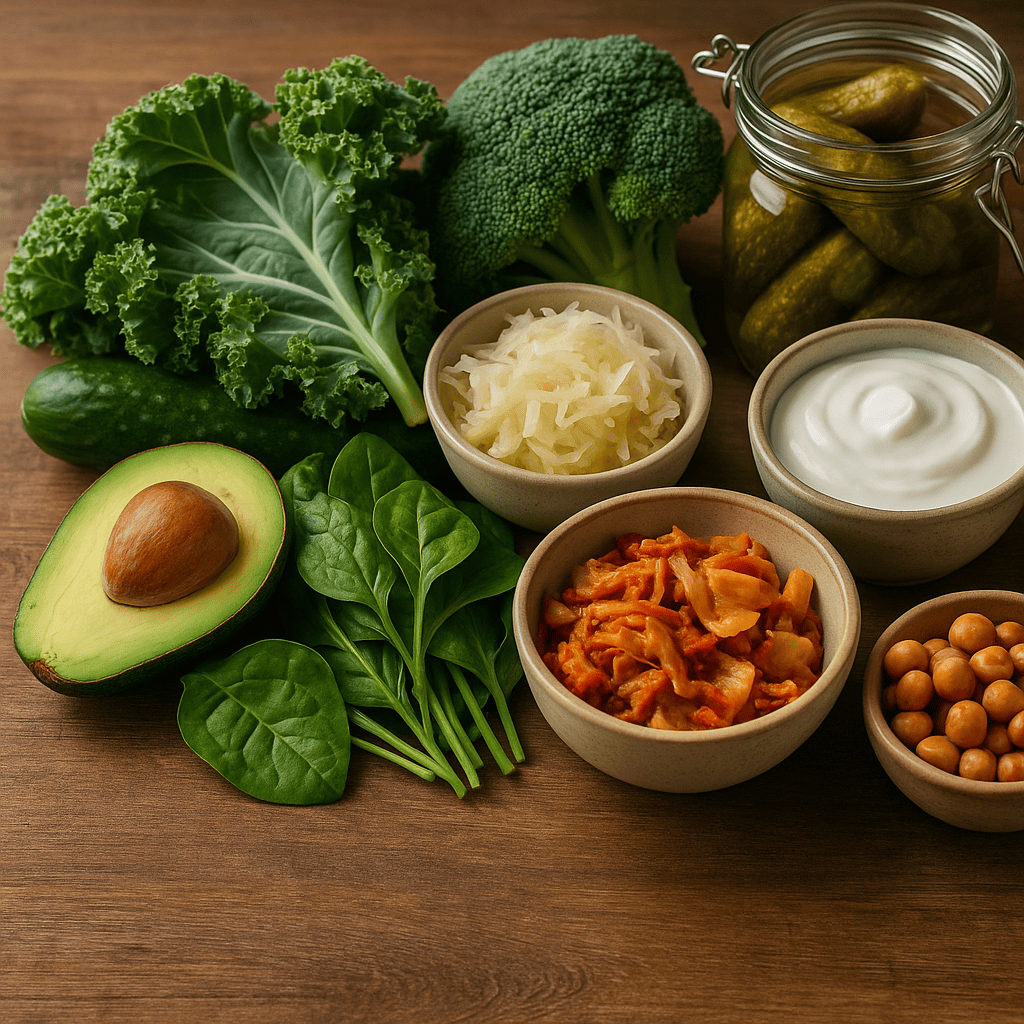
Vegetables, fruits, legumes, and whole grains feed the “good” bacteria in your gut. Aim for a rainbow of colors on your plate to maximize variety.
Fermented Foods
Yogurt, kefir, sauerkraut, kimchi, and miso provide probiotics — live bacteria that add to your gut’s microbial diversity.
Prebiotic Foods
Garlic, onions, leeks, asparagus, and bananas act as food for probiotics, helping them thrive once inside your gut.
Hydration
Water supports digestion and helps the gut move food smoothly, preventing stagnation and discomfort.
Limit Ultra-Processed Foods
Refined sugars, artificial additives, and processed oils can disrupt the microbiome, feeding harmful bacteria at the expense of beneficial ones.
One of the most fascinating discoveries of recent years is the strong relationship between gut health and mental health. Research suggests that imbalances in gut bacteria can influence conditions like depression and anxiety, while improving gut health often leads to improved mood and emotional stability.
Simple rituals like eating slowly, chewing thoroughly, and reducing stress around mealtimes also contribute to gut balance. Stress activates the fight-or-flight response, which shuts down digestion. Taking a few breaths before meals can shift the body into “rest-and-digest” mode, improving nutrient absorption and comfort.
Improving gut health is not about quick fixes or expensive supplements. It’s about small, consistent actions that accumulate into lasting change. Start by adding one extra serving of vegetables to your meals each day or experimenting with a new fermented food. Over time, these simple shifts strengthen your microbiome, giving you more energy, resilience, and clarity.
Your gut is more than a place where food is digested — it is an active, intelligent system that influences mood, immunity, and vitality. By caring for your microbiome through diverse foods, mindful eating, and balanced routines, you are also caring for your mind.
Health begins in the gut, but its effects extend far beyond. When your second brain thrives, your whole life feels more balanced, energized, and aligned.
![[background image] image of cooking class setting (for a grocery store)](https://cdn.prod.website-files.com/68dae7f6fa2c8f059200a117/68dae7f6fa2c8f059200a121_878d7906-76f7-4e80-99c3-896e896c35a2.avif)