The way we close our day determines how we begin the next one. Yet in a culture of constant stimulation, many evenings end with scrolling through screens, late-night emails, or restless attempts to squeeze in “just one more task.” Over time, this robs us of quality sleep, leaving us tired, unfocused, and unprepared for the demands of daily life.
Evening rituals are the antidote. They are not about rigid routines, but about creating gentle signals to your body and mind that it is safe to slow down. By crafting an intentional wind-down period, you prepare yourself for deeper rest, faster recovery, and a calmer state of mind.
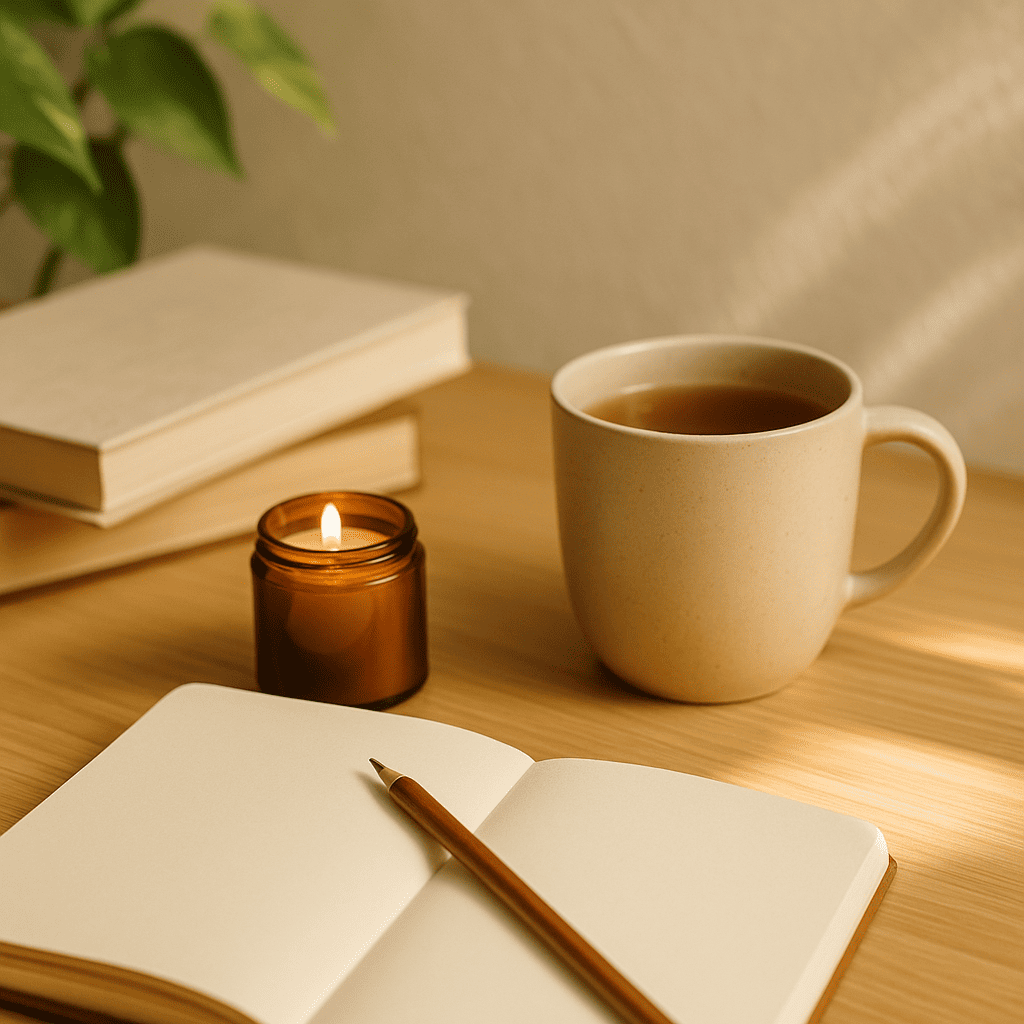
Sleep is not a switch that turns on when you climb into bed. It is a process — one that begins long before you close your eyes. Modern habits such as late-night screen time, caffeine in the afternoon, or heavy meals late at night disrupt this process. The body craves consistency and cues. Rituals such as dimming the lights, drinking a soothing tea, or stretching gently serve as messages that it is time to transition into rest.
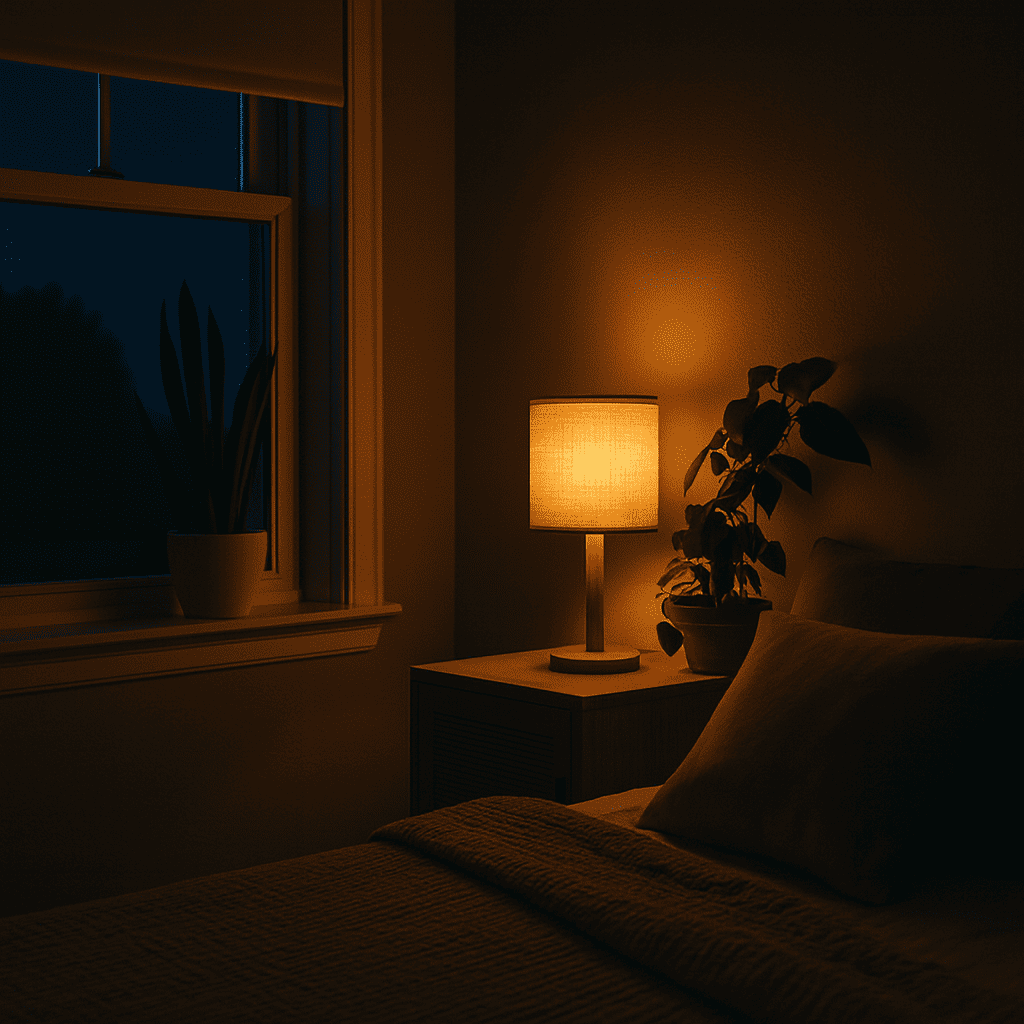
Our bodies run on circadian rhythms, which are heavily influenced by light. Exposure to bright screens or overhead lights in the evening can delay the release of melatonin, the hormone that signals sleep. One of the simplest evening rituals is reducing light exposure. Switch to warmer, softer lamps after sunset, and try to step away from screens at least an hour before bed. If you do use devices, blue light filters or glasses can help minimize disruption.
What and when you eat influences sleep quality. Heavy or spicy meals close to bedtime can strain digestion and disturb rest. Instead, opt for lighter dinners and, if needed, small snacks that support relaxation, such as bananas (rich in magnesium) or a cup of chamomile tea. Herbal infusions with lavender, valerian, or lemon balm have been used for centuries to calm the nervous system.
Evenings are the perfect time for gentle, restorative movement. Practices like yoga, stretching, or even a slow walk help release built-up tension from the day. Just ten minutes of mindful movement can ease stiff muscles, reduce stress hormones, and set the stage for better sleep. Unlike vigorous exercise, which can be stimulating, gentle practices soothe the body into readiness for rest.
Our minds often carry the day’s stress into the night. Creating a mental “off-ramp” is essential. Journaling for a few minutes can help clear lingering thoughts, while gratitude practices shift focus toward positive experiences. Reading a physical book or listening to calming music can also guide the mind away from stimulation.
For emotional rest, practice self-compassion: allow yourself to let go of unfinished tasks. The day is complete, and another will begin tomorrow. Giving yourself permission to stop is an act of care.
The most powerful evening rituals are not elaborate — they are consistent. Going to bed at roughly the same time each night trains the body to fall asleep faster and wake with more energy. Over time, your body learns these cues: dim light, calming tea, gentle stretches, journaling. Together, they form a reliable pattern that anchors your evenings in calmness.
Evening rituals are not about creating a perfect routine, but about choosing practices that signal to your body and mind: “It is time to rest.” Whether it’s dimming the lights, sipping tea, journaling, or stretching, these small actions create a rhythm of closure and renewal.
When you close the day with intention, you open the next one with clarity and energy. True recovery begins not in the morning, but in the moments you choose to honor rest at night.
![[background image] image of cooking class setting (for a grocery store)](https://cdn.prod.website-files.com/68dae7f6fa2c8f059200a117/68dae7f6fa2c8f059200a121_878d7906-76f7-4e80-99c3-896e896c35a2.avif)